
Match the Container to the Job
Dumpster sizes in Sweetwater for renovation debris, demolition waste, and full property cleanouts
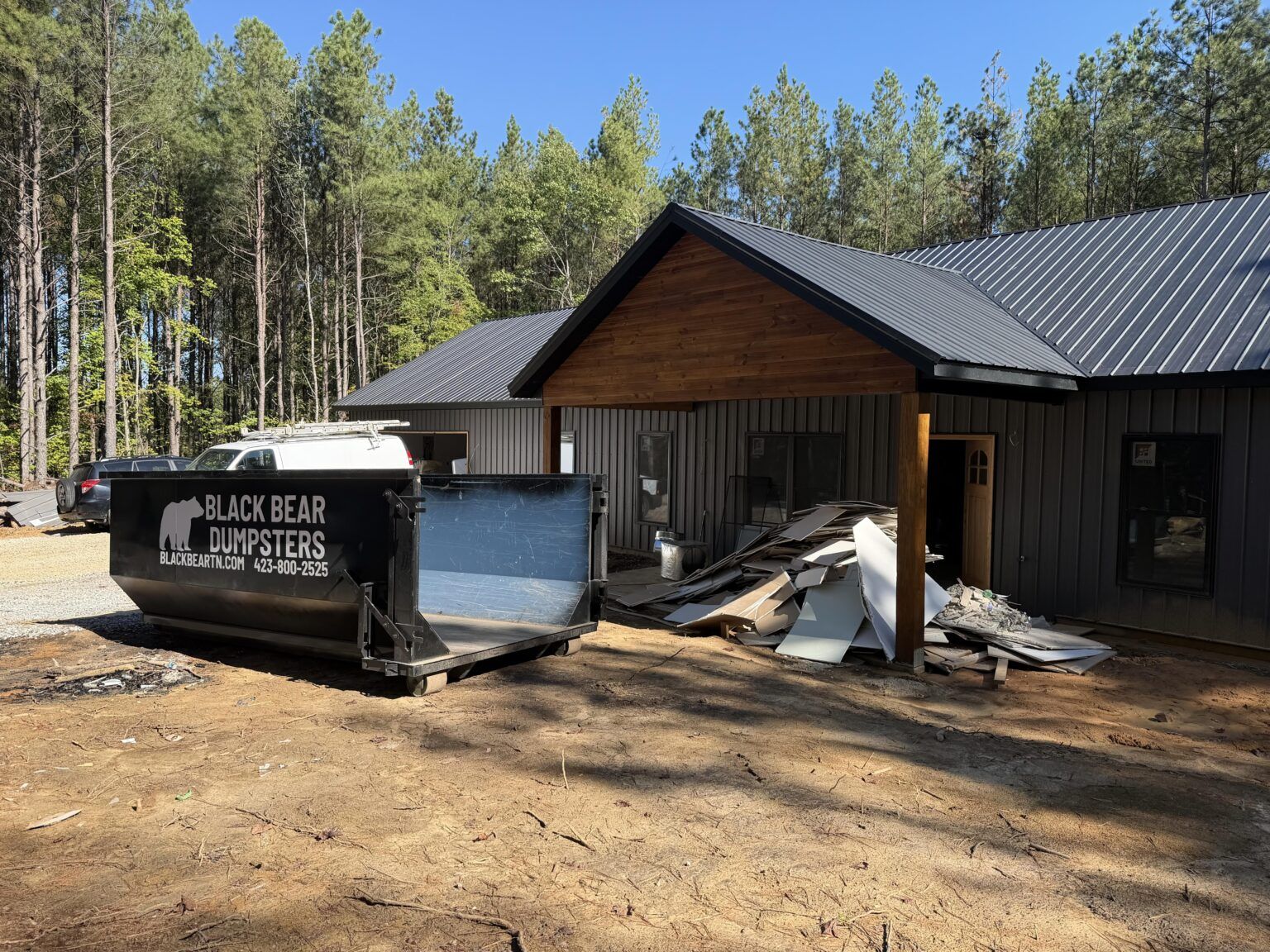
Black Bear Dumpsters supplies roll-off containers in 15, 20, and 23-yard sizes to homeowners and contractors in Sweetwater and East Tennessee who need to move debris off a property without multiple hauling trips. Choosing the wrong size is the most common rental mistake—too small means a second pickup fee, too large means paying for unused capacity. Matching the box to the actual volume of your project is the decision that matters most before the dumpster arrives at your driveway.
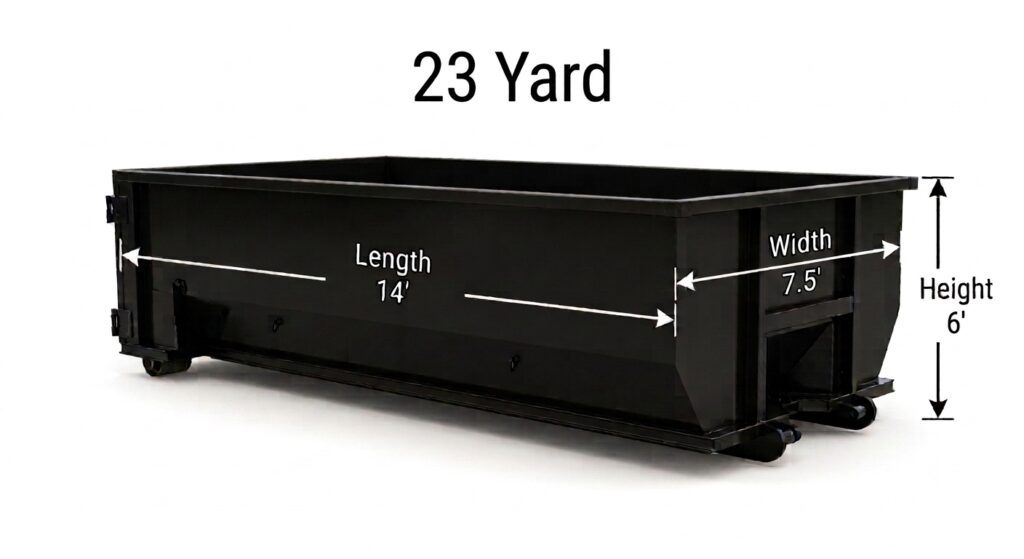
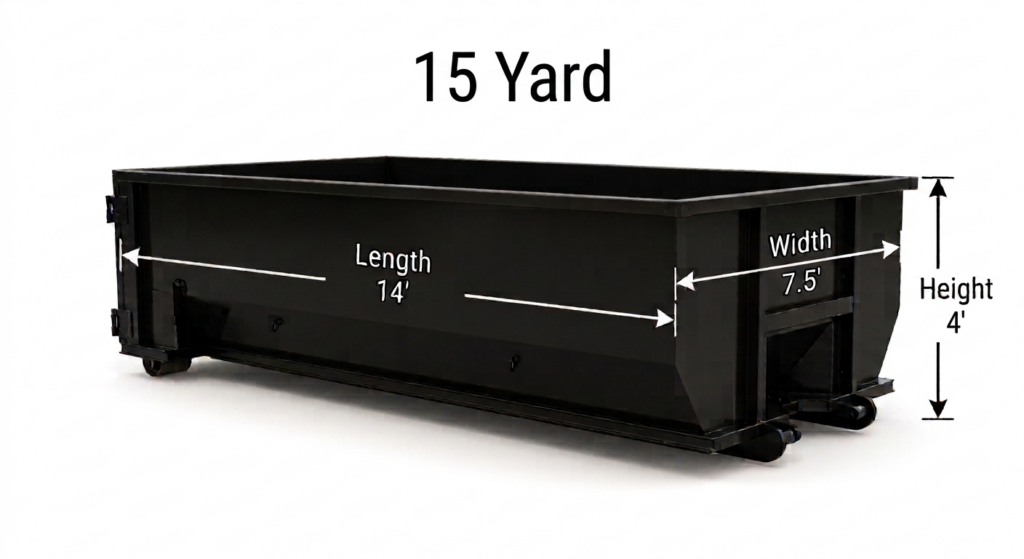
The right size depends on what the project generates, not just how it sounds. A bathroom renovation in a single-family home produces a predictable load—tile, drywall, fixtures, and packaging—that fits a 15-yard container handling up to a ton. A combined kitchen and flooring replacement moves into the 20-yard range at one to two tons. Full demolition, roofing tearoffs, or construction site cleanup at the scale of a room addition or outbuilding typically requires the 23-yard box, which handles one to three tons before a pickup is needed. Black Bear Dumpsters covers Monroe, McMinn, Loudon, and Knox counties, and online booking makes it possible to schedule the right size without a phone call if you already know your project scope.
Request a size recommendation based on your project type and debris estimate before scheduling delivery.
Our Services
How Container Capacity Affects Your Project Plan
Each size in the Black Bear Dumpsters lineup is defined by both cubic yardage and weight capacity, and both numbers matter. A 15-yard box holds roughly the volume of a standard two-car garage cleanout, but if that garage contains old concrete blocks or heavy equipment, weight limits become the controlling factor before the box is visually full. Understanding whether your debris is lightweight and bulky—like foam insulation, cabinetry, or cardboard—or dense and compact—like concrete, tile, or roofing shingles—determines which size actually fits your job.
Once the correct size is delivered and loaded, the visible result is straightforward: debris that was occupying your workspace, driveway, or yard is consolidated into a single container, and one pickup removes it entirely. There are no repeated hauls, no staging piles left behind, and no contractor coordination required for waste removal. The site is cleared in one step once pickup occurs.
Prohibited materials—including hazardous waste, paint, and certain electronics—cannot go into any roll-off container regardless of size, so sorting those items before loading keeps the rental process straightforward. Mixed loads of construction debris, furniture, yard waste, and general junk are all acceptable within the standard rental terms, making the containers practical across a wide range of residential and commercial project types.
Common Questions About Choosing a Dumpster Size
The questions below address the sizing decision itself—what drives it, what affects the outcome, and what to check before you book.
What is the practical difference between a 15-yard and a 20-yard dumpster for home renovation work?
The 15-yard suits single-room renovations and residential cleanouts, while the 20-yard is built for projects spanning multiple rooms or heavy materials like flooring and cabinetry. All containers share a 3-ton weight limit, so your size choice is determined by project volume, not weight. If your project spans more than one room or combines interior demolition with fixture removal, the 20-yard is the safer choice to avoid a second pickup.
How does debris type change which size you should order?
Dense materials like concrete, brick, and roofing shingles reach weight limits faster than their volume suggests, which means a smaller container may hit its weight ceiling before it looks full. For heavy demolition debris in Sweetwater, sizing up by one container is a standard practice to avoid overage charges.
What should you load first when filling a roll-off container?
Flat, heavy items—framing lumber, drywall sheets, flooring panels—go in first and lie flush, creating a stable base. Irregular items and loose debris fill gaps more efficiently when placed on top. Loading in this sequence maximizes usable capacity without exceeding the fill line.
When does a single 23-yard box make more sense than renting two smaller containers?
A single 23-yard unit handles 3 tons and occupies one footprint on the property, which is preferable when access or staging space is limited. Two smaller containers require two placement positions and two separate pickups, which increases coordination and site congestion on active job sites.
How do you confirm the dumpster will fit in your available placement area?
Measure the target location before booking—a standard roll-off requires roughly ten feet of width and twenty-two feet of length for placement, plus clearance overhead for delivery. Driveways, side yards, and job site pads in older residential neighborhoods often have tighter access than newer construction lots, so confirming dimensions in advance prevents delivery complications.
Black Bear Dumpsters also delivers dumpsters of all three sizes to Kingston, Loudon, Knoxville, Rockwood, and Athens. When you are ready to confirm which container fits your project, contact Black Bear Dumpsters directly to discuss the debris type, volume, and placement location before booking.
15 Yard
Weight Allowed: 1 Ton
$75 prorated for each additional ton
Rental Length: Up to 7 days
Starting at $315
Roughly 4 - 6 pickup truck beds
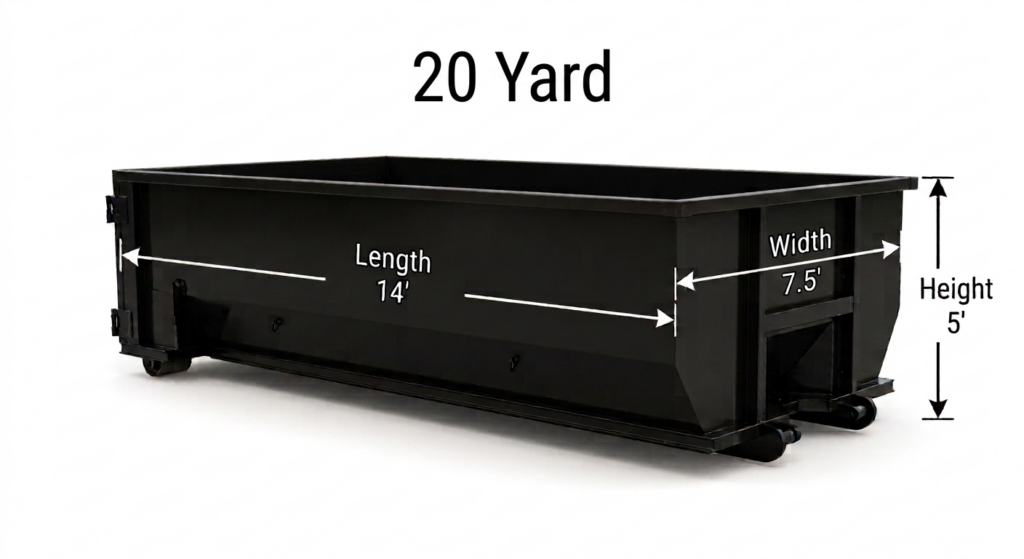
20 Yard
Weight Allowed: 2 Tons
$75 prorated for each additional ton
Rental Length: Up to 7 days
Starting at $375
Roughly 6 - 8 pickup truck beds
23 Yard
Weight Allowed: 3 Tons
$75 prorated for each additional ton
Rental Length: Up to 7 days
Starting at $425
Roughly 8 - 10 pickup truck beds