

Maximum Capacity for Large-Scale Site Cleanup
23-yard dumpster rental in Sweetwater for demolition waste, major construction debris, and commercial project cleanup
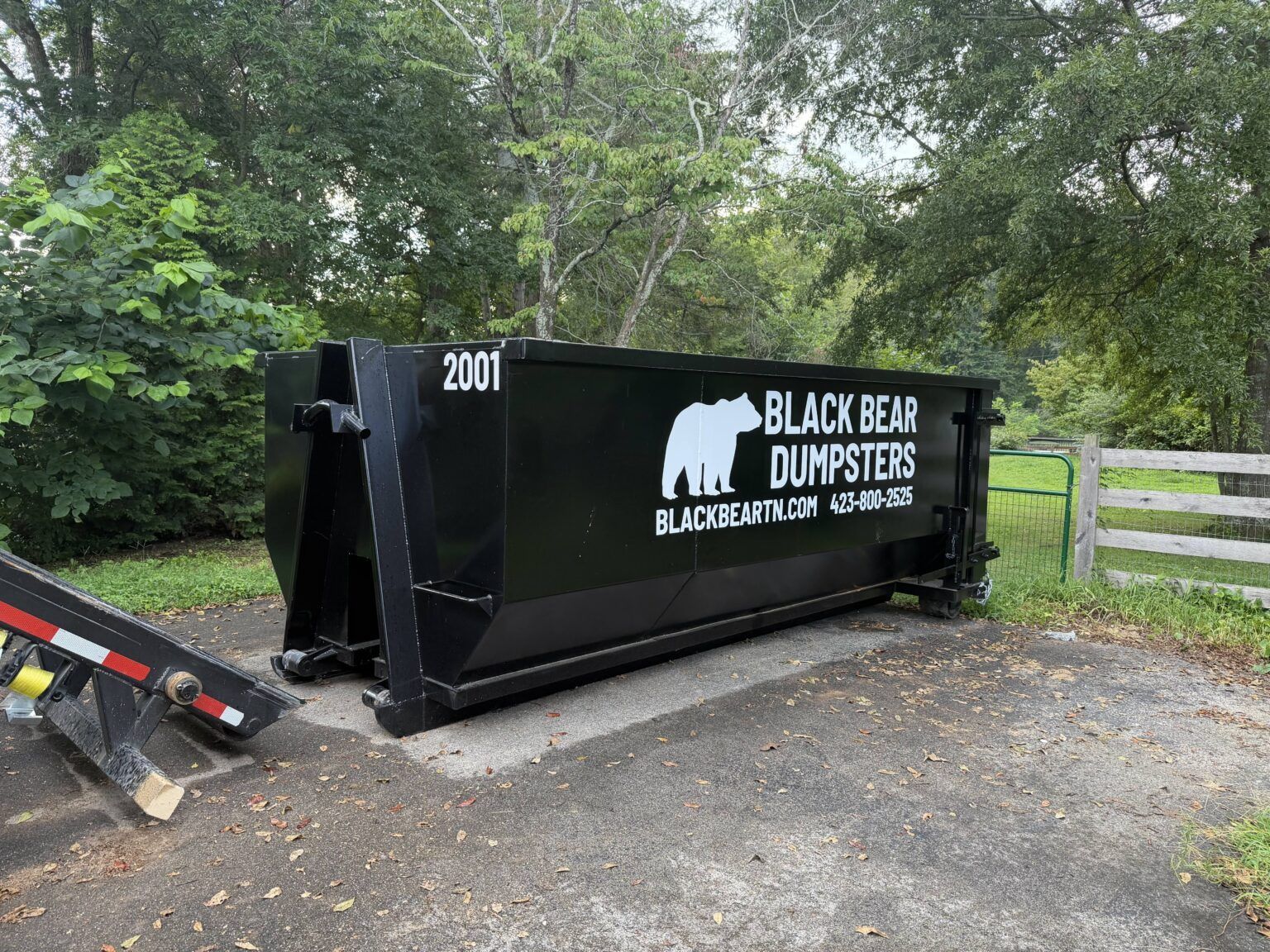
Demolition work, full structure teardowns, and large-scale construction cleanup generate a category of debris volume that smaller containers cannot absorb without multiple pickups adding cost and disruption to the project timeline. Black Bear Dumpsters delivers 23-yard roll-off containers—the largest single-box rental in their lineup—to job sites in Sweetwater and across East Tennessee where the debris load falls in the one-to-three-ton range. This size handles roofing material, framing lumber, concrete, yard waste, and mixed construction debris from major renovations and commercial projects in a single rental without requiring mid-project retrieval and redelivery.
Booking places the 23-yard box at your site for the duration of your project timeline. Load demolition waste, structural materials, and site debris at the pace construction or demolition proceeds—the container stays on site until it is full or the rental period ends, at which point Black Bear Dumpsters retrieves it and manages disposal. Contractors working across Monroe, McMinn, Loudon, and Knox counties regularly use this size for projects where stopping to coordinate a second container pickup would interrupt active work schedules.
Confirm your project timeline and site placement details with Black Bear Dumpsters before booking to ensure the container footprint fits your staging area and the rental window covers the full scope of your demolition or construction schedule.
Our Services
What the 23-Yard Container Actually Accomplishes on a Job Site
A 23-yard container earns its position on a job site by consolidating the full debris output of a major project into a single footprint. Demolition waste—framing members, roofing shingles, concrete block, and structural materials—is dense, and the one-to-three-ton capacity accounts for loads that reach weight limits before the container appears visually full. On active demolition sites, this means knowing in advance whether the debris profile is primarily lightweight and bulky or dense and compact, which drives the decision to use a single 23-yard unit versus staging multiple smaller containers.
When the container is retrieved, the job site clears entirely in one step. Staging areas that accumulated debris throughout a demolition or multi-phase construction project are emptied without requiring equipment redeployment or multiple haul trips. For commercial projects and large residential renovations in Sweetwater where site access may be limited, consolidating all waste removal into one container and one pickup also reduces the number of delivery vehicle movements on site.
Prohibited materials apply to this container as with any size—hazardous waste, certain electronics, and chemicals cannot be included regardless of the overall debris volume. Projects that generate mixed loads of standard construction debris alongside prohibited items require sorting before loading, which is easiest to plan before demolition begins rather than mid-project when materials are mixed on the ground.
Questions Before Starting Your Project
The questions below address how the 23-yard rental functions on a working job site—how capacity is managed, what affects placement and pickup, and what the rental covers from delivery through disposal.
How do contractors determine whether a 23-yard container is sufficient for a full demolition project?
Estimating debris volume requires accounting for both the cubic footage of materials being removed and their density. Roofing shingles, concrete, and masonry reach the nine-to-twelve-ton weight ceiling faster than their volume suggests, so projects combining structural demolition with heavy materials should be reviewed carefully before assuming one container covers the full load.
What site conditions affect where the 23-yard container can be positioned?
The delivery truck requires a clear, level approach with adequate overhead clearance—typically fourteen feet or more. On older properties in Sweetwater and Athens where driveways or access roads are narrower or have overhead obstructions, confirming placement logistics with Black Bear Dumpsters before delivery day prevents positioning complications on the scheduled drop date.
How is demolition debris loaded most efficiently into a large roll-off container?
Structural members, framing lumber, and flat sheet materials should be laid horizontally along the container floor to minimize wasted space. Irregular demolition debris—broken concrete, rubble, and loose material—fills gaps more effectively when loaded after the flat layers are established, which maximizes usable capacity before the container reaches its fill line.
When does a project's debris profile require a pickup before the rental period ends?
If demolition proceeds faster than anticipated and the container reaches capacity before the rental expires, Black Bear Dumpsters can schedule an early pickup and redelivery to keep the site operational. Monitoring the fill level relative to project pace—rather than waiting until the box is overfull—keeps the project timeline on track without delays.
What materials from a demolition project are prohibited in any roll-off container?
Hazardous materials—including asbestos-containing materials common in structures built before the mid-1980s, paint, solvents, and chemical waste—require separate disposal and cannot be included in the container. Older structures undergoing demolition in East Tennessee may contain materials that require testing or specialized handling before the container is loaded, which is worth identifying at the project planning stage.
Black Bear Dumpsters also delivers 23-yard containers to Kingston, Loudon, Knoxville, Rockwood, and Athens. To plan container positioning and confirm the rental period covers your full project scope, book your 23-yard rental online or call Black Bear Dumpsters to discuss the specifics of your demolition or construction job before scheduling.